

In The Reindeer’s Defence
Song lyrics. That’s the thing. The lyrics sink into your head like this virus, and you sing along, and even when you think about it, you don’t really think about it, until you notice something and the truth all comes tumbling out.
It’s December 2025 and, befitting the time of year, have been listening to Christmas FM. Because it would be rude not to (and because, on the days when I’m working remote, the husband tends to be putting on the radio when we’re having lunch.)
Popular Content
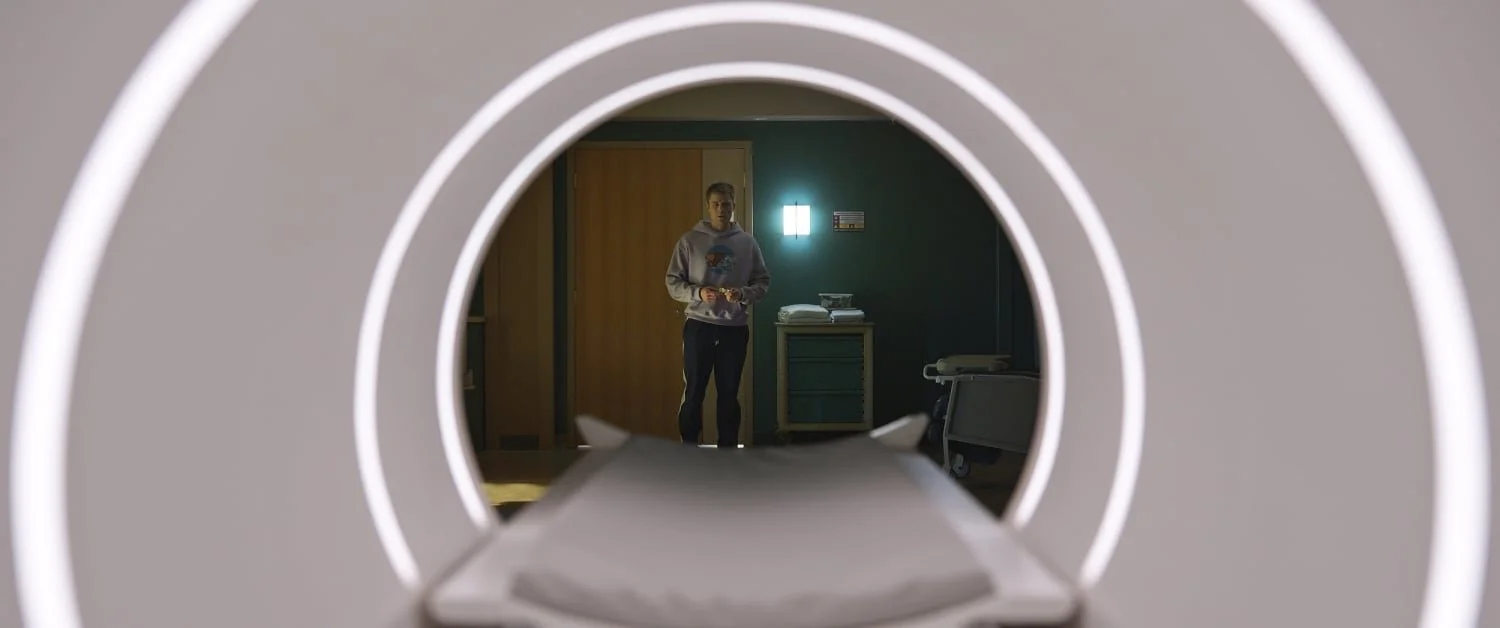
It’s been a year, but you’re used to this. You’ve been getting these things so regularly for the last twelve years, sometimes monthly.
It’s been a year; it should be easy. You know how this works.
It’s been a year; it’s not easy.
Song lyrics. That’s the thing. The lyrics sink into your head like this virus, and you sing along, and even when you think about it, you don’t really think about it, until you notice something and the truth all comes tumbling out.
It’s December 2025 and, befitting the time of year, have been listening to Christmas FM. Because it would be rude not to (and because, on the days when I’m working remote, the husband tends to be putting on the radio when we’re having lunch.)

What’s the best thing to do on Holy Thursday?
That’s right, get yourself completely and utterly piss-faced drunk, solely because the pubs are closed at midnight. And now that Ireland doesn’t do that shut-down thing any more, I guess we’re onto option number two: watch a horror film that is associated with the Catholic church.
Yayyyyyy!!!

I started to write this piece as a simple review of Neil Gaiman’s The Sandman, now streaming on Netflix; like the show itself, and the comic series at its origin, it turned into something far bigger, a historical narrative including random characters, with meanings and truths revealed as if from nowhere.
Like dreams, this review has become something more, an essay about writing itself, about narrative, about the consumption of art for both good and evil, and about its very effect on our lives.
Or maybe just mine.
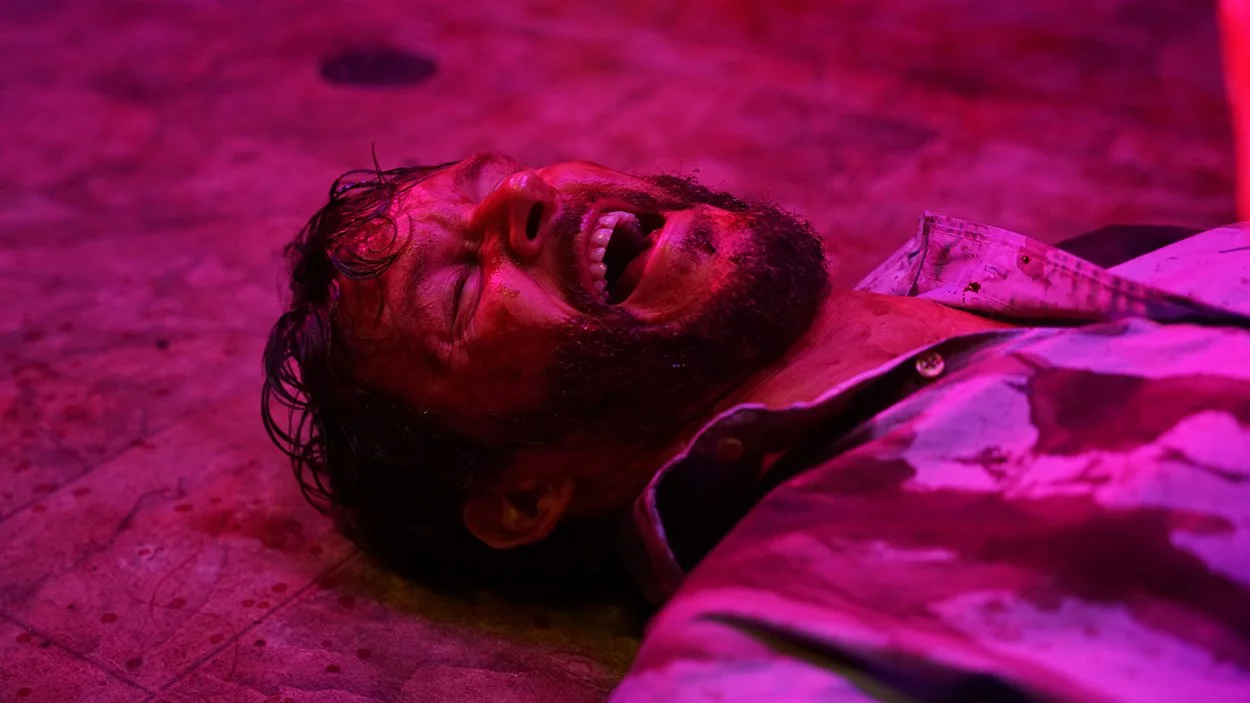
We need more films about gloryholes; there, I said it.
Although, let’s be honest, said films already exist; they’re just shooting towards a slightly different viewer, a fact that is hard to swallow for some people.
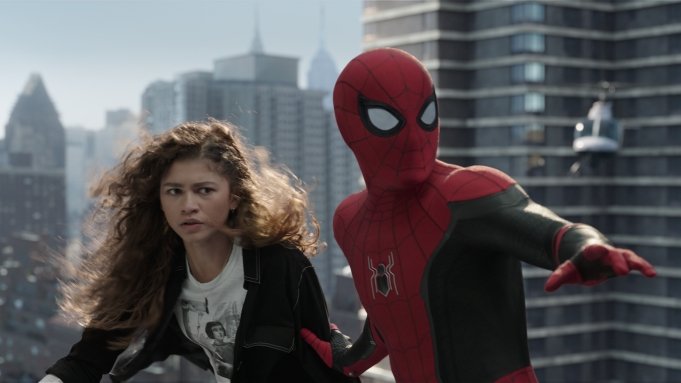
Walking out of Spider-Man: No Way Home, I was struck by a lot of things.
With the film opening here in Ireland 15 December, I’m wholly aware that I’ll get to see it before a lot of people: there were signs up in the cinema’s bathroom asking visitors not to discuss the film because staff had not seen yet.
This…does not follow these rules. This is a blog post, from a writer and comic-book fan, talking about a film he’s just seen, dealing with emotion, with narrative, with story-telling…the things I write about.
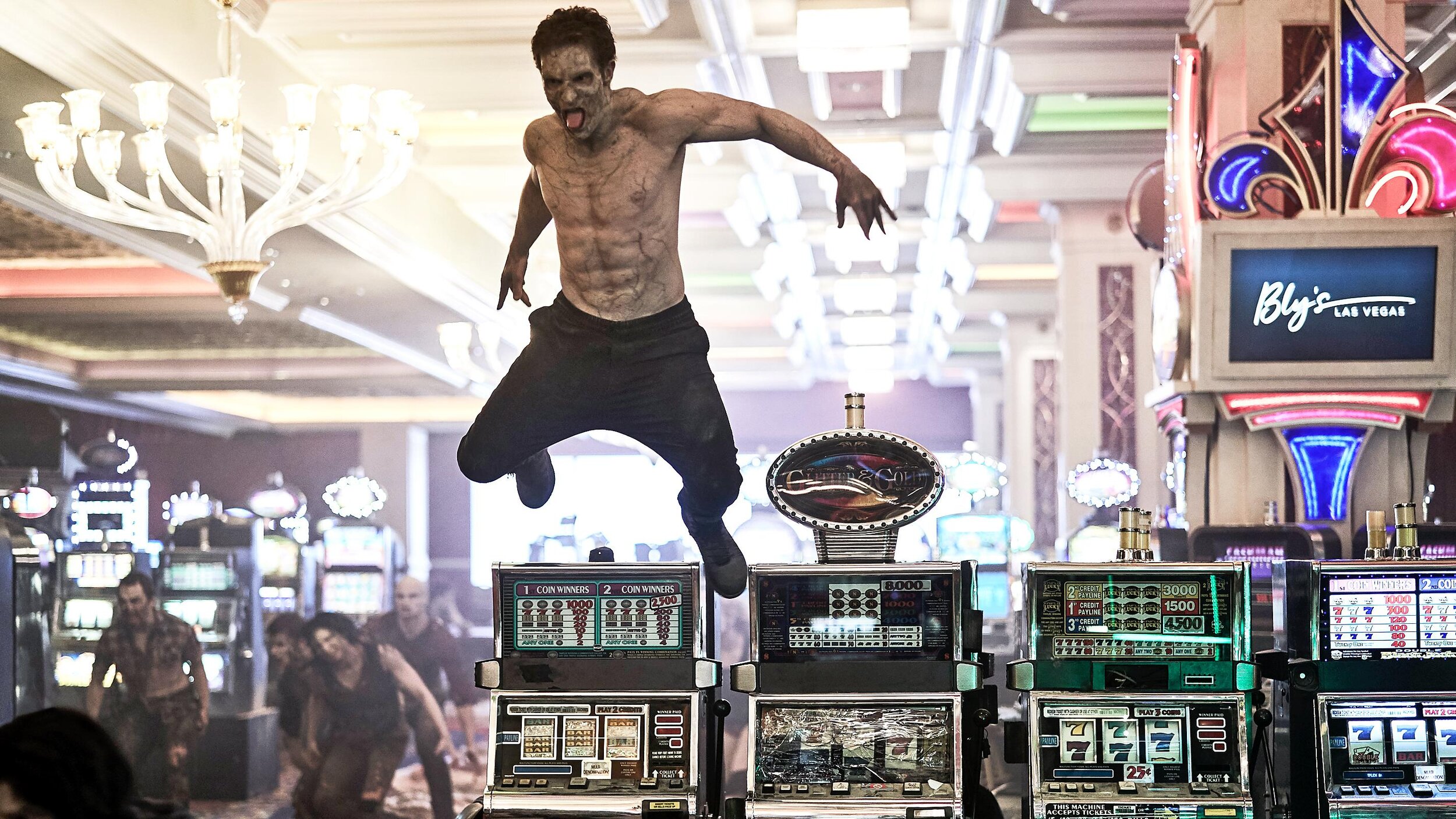
Heist movies. Yep, we’ve been there. Sure, they were and can be fun to watch, but rarely something that I adore and want to watch again - 2001’s Ocean’s 11, I’m looking right at you. And your totally unnecessary sequels.
Add other elements though, and you might actually get my interest. Give me a narrative in the hands of one of my favourite directors, Zach Snyder and I’m probably going to love.
Add elements like zombies and headshots, and you can have my money.

Like most of the other movies that are, were or have been due for release through 2020 and 2021, the release of Godzilla Vs Kong has turned into something of a mess. Originally due in cinemas November 2020 (cinemas? What are they?), rather than sitting on release for an indefinite period (cough, Disney, cough), the film’s release dates got moved around a bit and then got itself a home release.
That…is not necessarily a good thing, but it’s also not bad: home releasing at least means that your film gets out there, it gets seen and talked about. But it also means that you’re going to miss some of the cinematic experience itself, the grand breaths and comments from the rest of the audience that turn a film from more than just a movie into an experience.

I can accept change (if you know me at all, please stop laughing as you read this.) But when it comes to narrative, such changes have to be done in a fashion that they fit with the story you want to tell. Or perhaps with the story that wants to be told.
The story that wants to be told in WandaVision, Marvel’s newest comic-book adaptation, is a story of grief and mental health, and how they play in a world of super-heroics. WandaVision brings the world of the Marvel Cinematic Universe (MCU) to an episodic TV format, one that will actually be acknowledged on other screens (unlike Agents Of Shield.)
As such, WandaVision is a story that works very well for what feels like seven of the show’s nine episodes, only to dramatically lose such appeal when coming to a close, forgetting any heart and focus it had, moving instead to solely show off its actions and powers.

It’s not often that I expect to be writing about queer, Irish content, but I guess that’s what I’m doing after watching Dating Amber, viewable now on Amazon Prime. That’s not to say that queer Irish content doesn’t exist; it’s just that…well, we as a country, we’re not always the most vocal about accepting and embracing all things queer, are we?

For a film that was originally due to be released Friday 13th IN APRIL 2018, it feels somewhat painful writing about The New Mutants nearly three years later.
And yeah, I’ve specifically waited until a Friday 13th to write and publish this; it seems kind of right, no?
Do you know what doesn’t seem right for this film though? The absolute clusterfuck that is its release.
Partly due to Covid-19 (booo), partly due to production and branding, I still can’t actually tell if this film has been released properly. Well, it has been released: I made the point of catching it in the cinema in those handful of weeks when the cinemas were open, but I specifically wanted to hold off on writing about it until other people would have watched.

I started writing this solely as a review of The Boulet Brothers’ Dragula: Resurrection, touching on queer imagery (and life) within both the arts and day-to-day life, especially around Halloween. That, however, turned into something a hell of a lot grander. Most of the time when watching anything related to the Boulet Brothers, I find myself inspired, challenged (in the good way) and, above all else, comfortable and safe; this is my people and my world, and I want to support and love them every chance I get.
And so, I warn you now: this is going down a rabbit hole. Things are going to get surprisingly personal, which is not what I was expecting.
shrugs Deal with it, motherfuckers.
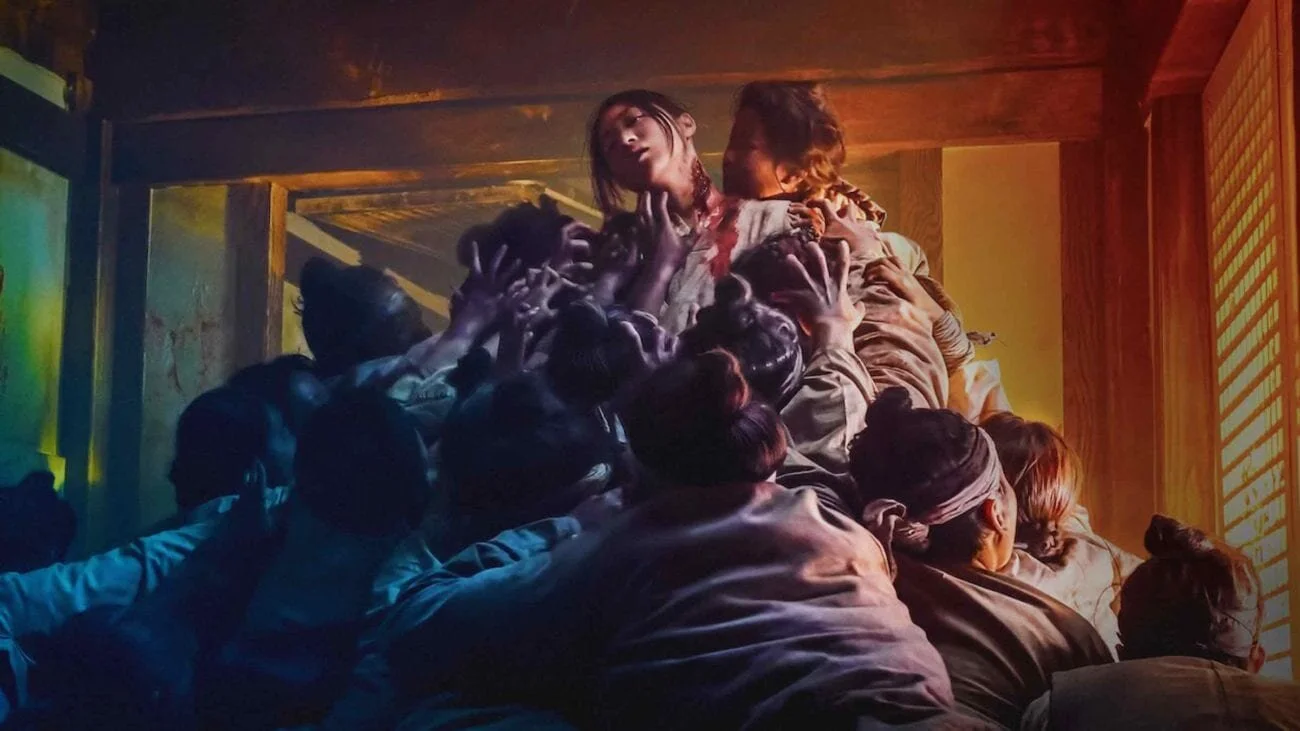
A politically heavy Korean narrative that just happens to have zombies in it isn’t quite what I was expecting when I sat down to watch Kingdom on Netflix, but it’s what I got.
And boy, was I happy to get it. Visually stunning, I found it very hard to write about Kingdom and not draw comparisons with Game Of Thrones. So let’s just put my money where my mouth is and say that, yes, it’s fucking better, being nowhere as afraid to embrace its horror/fantasy roots.
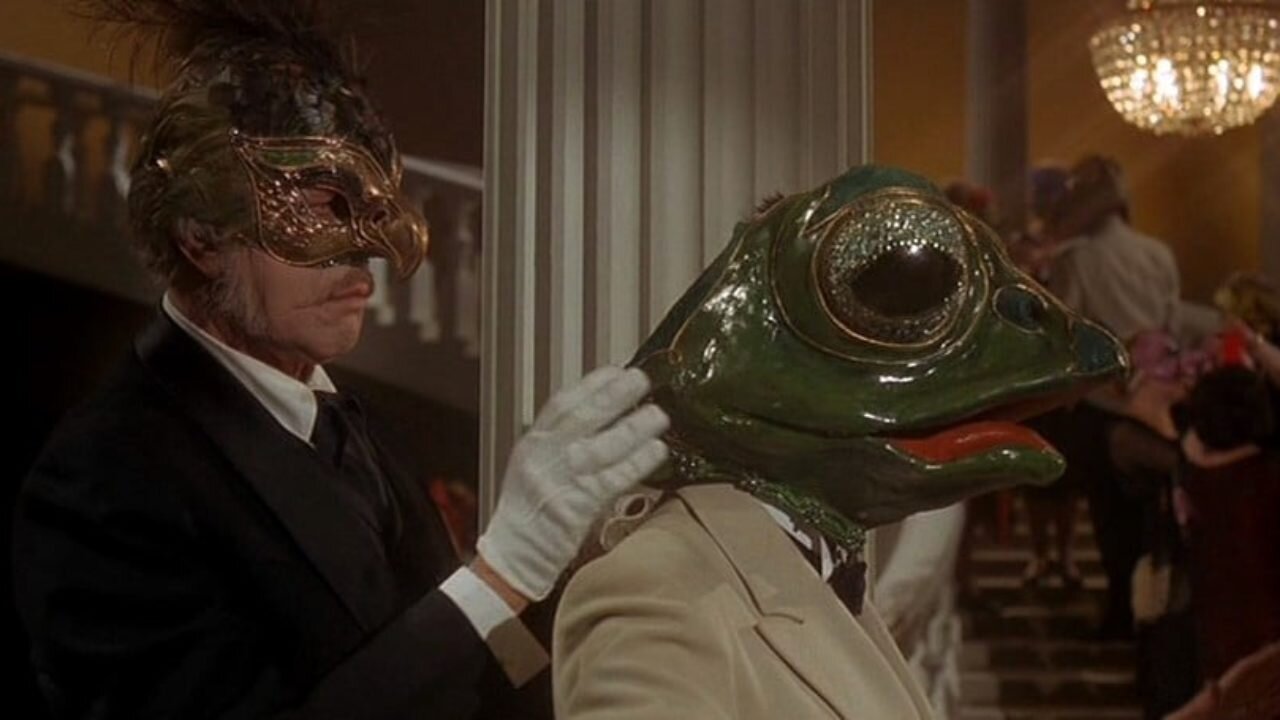
As a married man who has gone through his own medical dramas, there’s something about The Abominable Dr. Phibes that sets a particularly high standard for me. After watching this film, I now highly expect that, as and when something ever happens to me, my husband will take on the Vincent Price role and avenge my death.
Them’s the fucking rules, peeps.
Such is the somewhat beautiful premise of this film, a camp and silly story that is very indicative of its age. First released in 1971, the film plays with those elements of camp, keeping its tongue firmly in cheek throughout. Thankfully, it’s coming from a time where that camp wasn’t always screamed at and forced upon its audience, and works poignantly well within this narrative.
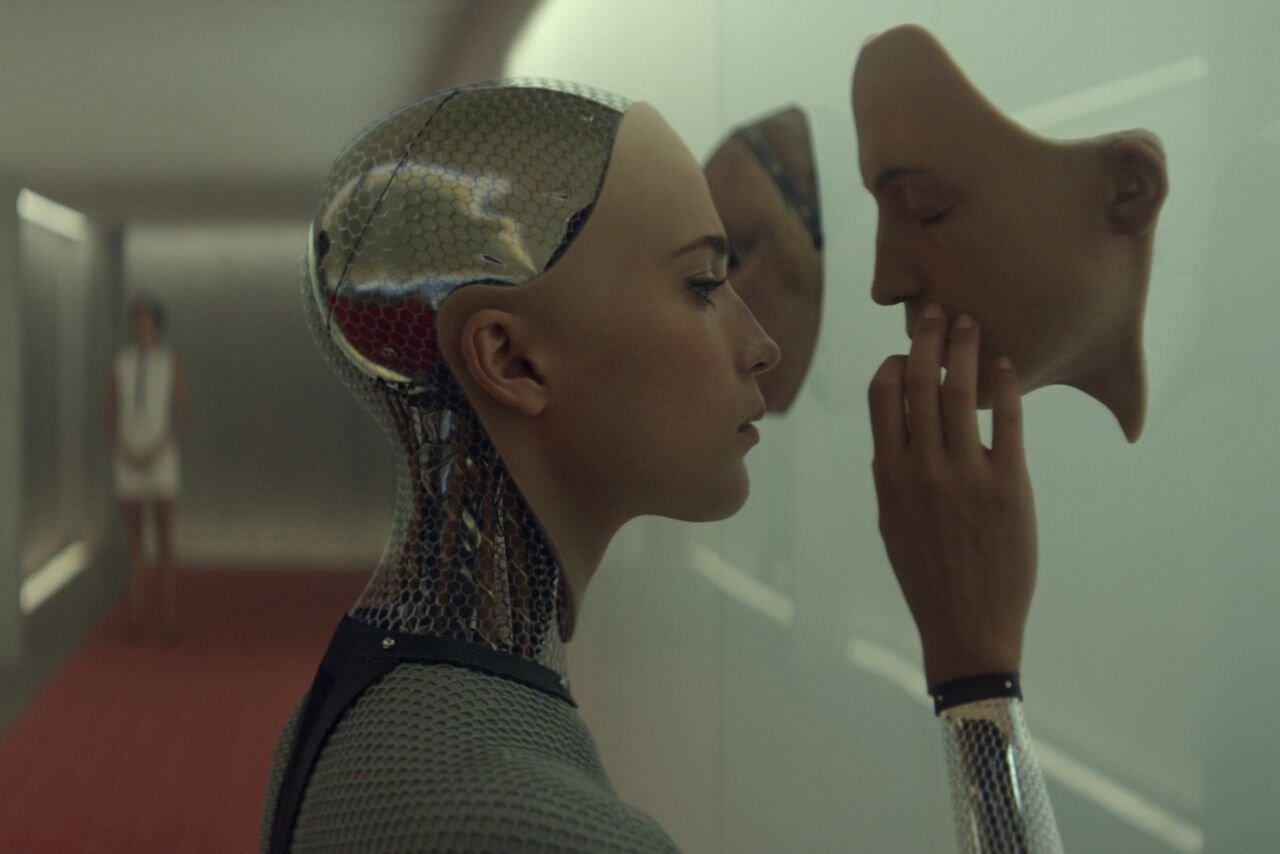
Yeah, sure, I write things from a queer perspective far more often than I intend to. But I can write about other things…right?
You’ll…still read my stuff when I write about other things, right?

I wasn’t really expecting multiple posts in a row to be about what could be called “classic” films (I call them that, shut the fuck up.) But Covid-related lock-down sure does trigger a desire to spend your time thinking about old content and, perhaps more importantly, wondering why the fuck you love it so much.
So with that in mind, I decided a couple of weeks ago that it was time to re-watch Jawbreaker and wonder if it’s still as lovably rogue as I remember?
In some ways, it is.

Give me a film that touches on creativity, copyright, romance, deals with the devil and a touch of queer (y’know, things I’m likely to love) and I will love you.
I’ll also probably tell you that there’s no need to give me that shit because I already have Phantom Of The Paradise and I will then ask if you have watched it. And if you haven’t, I will point you in the right direction, lend it to you, buy if for you or give you a filthy look for never hearing of it.

In something that might come as a bit of a surprise (to some people), I made the point of not wanting to see The Invisible Man in the cinema.
Why? Because there’s a certain element of home invasion in movies, especially by things that are silent and unseen, that plays with a primal fear inside of me, a fear that I do not willingly want to visit in a public space. That said, I was intrigued by everything else to do with this film, knowing that, when I got the chance to watch it at home, I could turn it off, pause it, leave the lights on, that type of thing…you know, all of that primal craic?
When most of the world is on lock-down and you’ve made such a film open and available for me to watch at home, though; that is something I can do.
That's right, kids: I'm going to get emotional and psychological about a superhero film. Welcome to my Friday evening.

Who doesn't love a good penis?
Wait, don't answer that question: there's probably some sort of shame in your answer, the same type of shame I'm feeling for writing this piece.

A script, by Oren Uiel, bought by Paramount ,who announced the movie in 2012, started a production cycle that we mere mortals are not meant to understand. Supposedly, this script landed near the divine hands of JJ Abrams who saw fit to repurpose it for the goals of a franchise attempt: God Particle became The Cloverfield Paradox….
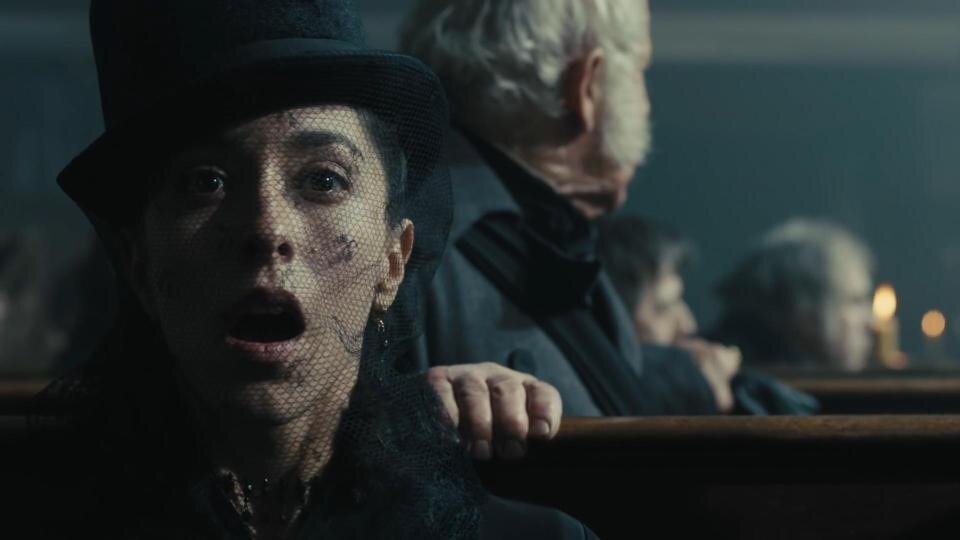
Saturday evening on the BBC: I think the polite term here is "fluffy," full of appointment-viewing that you're not exactly heart-broken to miss. (Doctor Who and Strictly Come Dancing are on the better end of the spectrum, some weeks anyway; then you have perpetual hanger-on Casualty, a show that's lasted longer than most of its patients.) Whatever some Whovians might insist (that's the word, right?) it's not that usual to find something meaty, substantial and enthralling on the Beeb of a Saturday night.
But that's enough about Tom Hardy, I should probably talk about the show.
Taboo brought sex and ultra-violence to Saturday viewing for a whole eight weeks, and on an evening usually reserved for fluff, the show tried hard to give Game Of Thrones a run for its money. It's a comparison that isn't entirely deserved: Taboo stood out on its own merits, but there were enough beats and faces that at least someone on the production office had to know what they were doing.
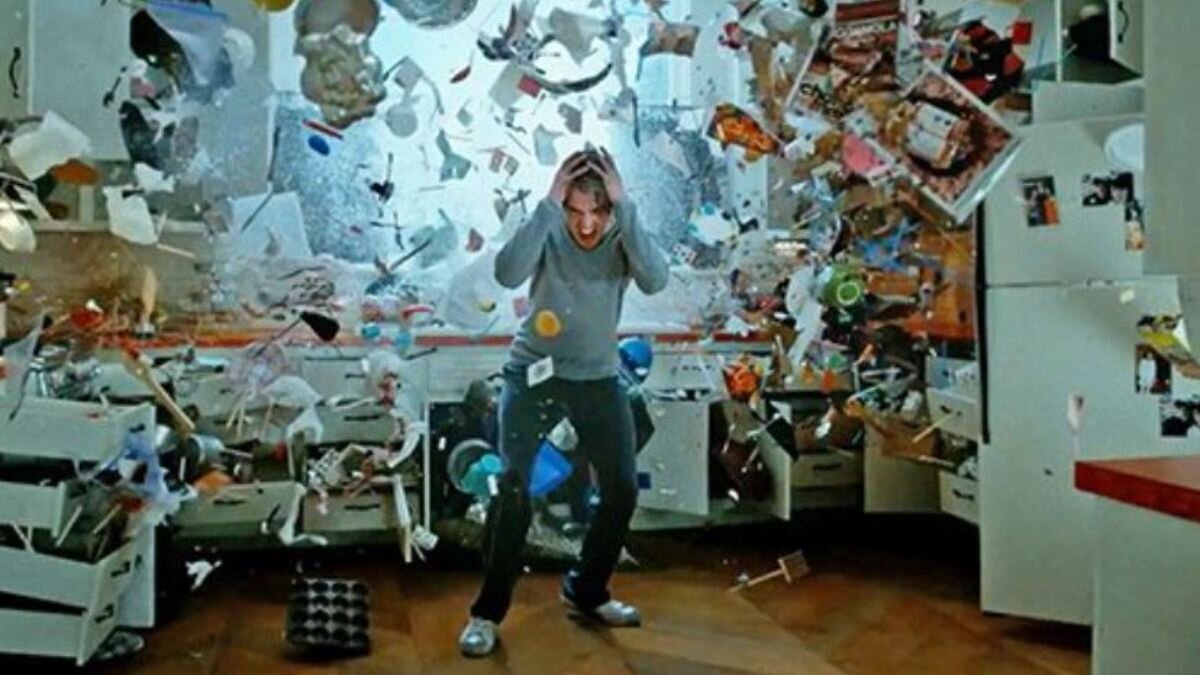
I'm now two whole episodes into Legion on FX and I'm sure I'm not the only person to come to something of a revelation: this may be the most X-Men thing to ever X-Men. Ever.
It's not a terribly big secret, but I guess it sort of is: I haven't noticed the word "mutant" being used (yet...it's due in the third episode if I'm to believe the trailer) but it's probably starting to become obvious that the series is thinly connected to the X-Men universe. At this moment in time, main character David Haller (played by Dan Stevens) is the only characters to have a direct relative in the world of comic-books, but it's a pretty explicit connection.
In some alternate universe, I still write regular movie and video-game reviews, running my own entertainment website. In that same universe, I am now A FUCKING MEDIA MOGUL and next in line to be president of an undefined country.
In this universe, however, I'm a normal guy who's fallen out of the habit of being creative, shut down his old website and doesn't even have that many movies under the Reviews tab of this blog.
Over the last few months, I've noticed little things coming back. Whether it's my brain firing synapses that haven't been touched in a very long time or if it's that things from the past are becoming cool once more, I'm not entirely sure.
RETRO IS IN, I declare to nobody in particular.
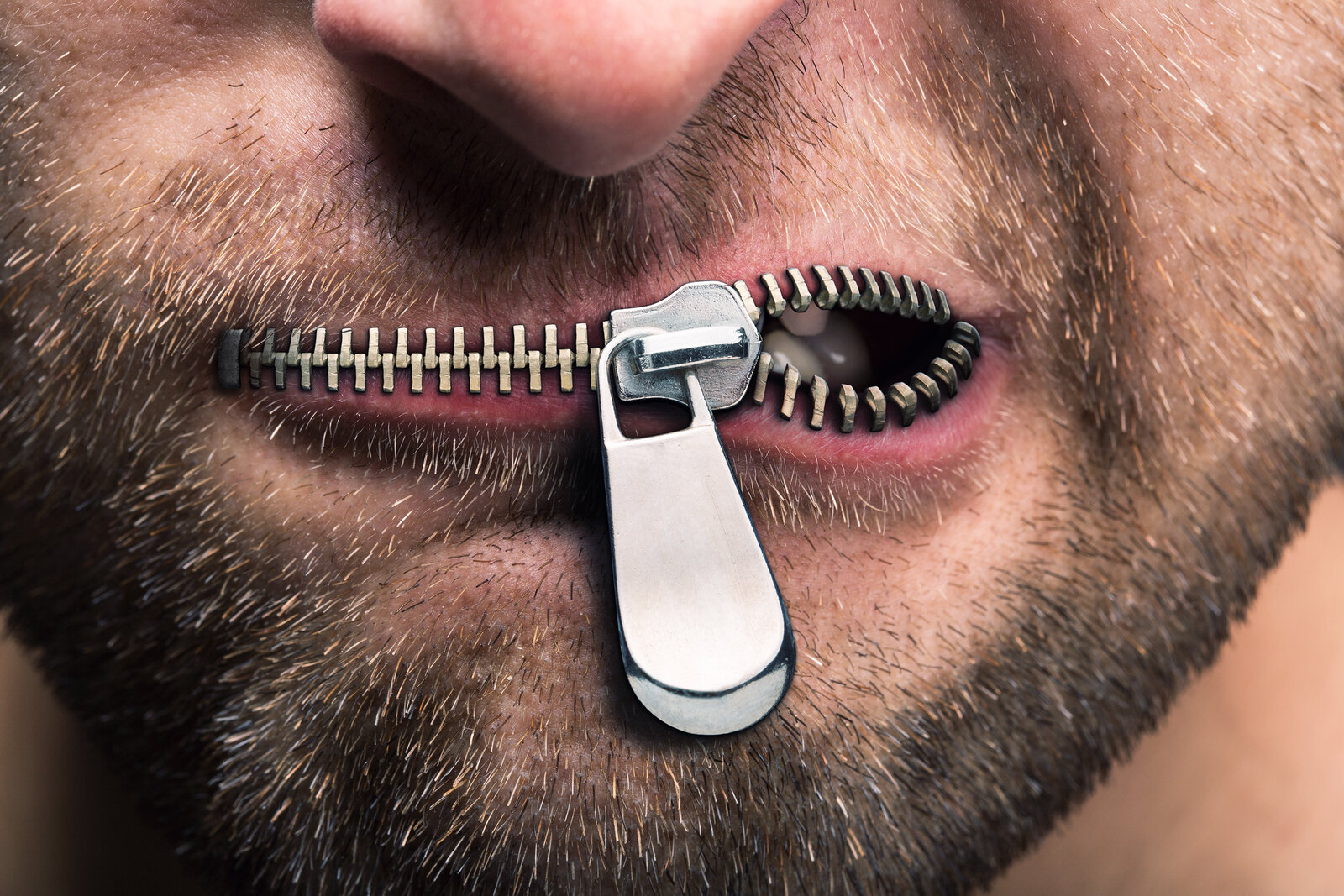
I'm a full year out of the madness, 366 days (it's a leap-year after all) on from treatment for a "grade two astrocytoma with grade three elements." It's a posh way of saying I had a brain tumour, and it was sort of cancerous. That's a full year on from feeling like shit every other day, wondering why your body has betrayed you and just how it's going to get worse.
I can now say, with a weird sense of guilt and a weirder sense of terror that "I've gotten better."
Kind of better. I don't want to jinx it.
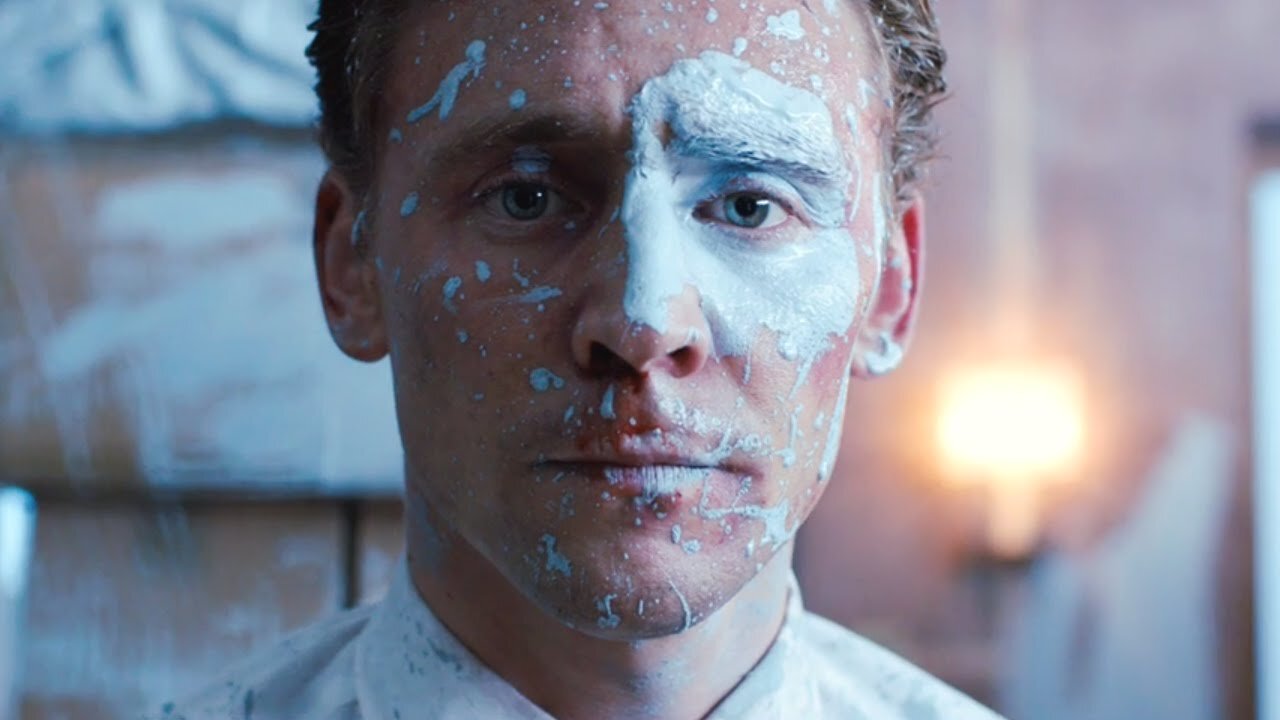
Based on the book of the same name by JG Ballard, High-Rise is a project long in the making, finally brought to our screens by Ben Wheatley. This is easily the biggest project of Wheatley's career so far: the director behind Kill List, Sightseers and A Field In England, Wheatley has finally gotten his teeth into a much larger project (cast, budget, content, you name it.) He brought High-Rise to the ADIFF (Audi Dublin International Film Festival, for the uninitiated) and appeared for a Q&A after the screening.
Today, 4th February is World Cancer Day. So let's take some time away from movies and films and selfies and water charges and talk about cancer.
What's that? You don't want to talk about cancer?
Yeah, tough shit.
I've been sitting at home watching TV far too much recently. A lot of that has been watching Countdown and 15 to 1 and other such game-shows that are somehow capable of going on for longer than they should, but are somehow part of life. Oh, and Charmed re-runs.
But in amongst all this revisiting my youth, where the hell are the Thundercats?
And then I realised that half the internet probably don't even know that the Thundercats are or were and I get all sad.
I don't think about feminism a lot. Call it male privilege if you like. That's not to say that I haven't considered myself a feminist, I've just never really considered my opinion important.
Here's the thing: I'm a white guy living in a country in western Europe. I'm a gay guy with no sisters who went to a boys' school. There are questions about being a woman, about being a feminist that have never touched me, and I've never felt the need to address. Because here, on our little island on the fringes of the Atlantic, feminism is a weird scary thing that weeves in and out of legislation that I just don't want to go near.
